Property management is a coordination business disguised as a real-estate business. Rent has to arrive, requests have to get routed to a vendor, a unit has to be turned in days not weeks, and an owner has to get a statement that actually matches what happened. In most Twin Cities operations that coordination happens across a phone, three inboxes and a spreadsheet, and it works right up until a manager goes on vacation.
The software most operators own was built for one job. A rent-collection app moves money but knows nothing about the leaking faucet on unit 4B. A spreadsheet tracks leases but can't tell a vendor which unit to enter or when the tenant is home. The result is an operator who can collect rent but can't answer, on a random Tuesday, which units are behind on payment and which maintenance tickets have been open longer than a week.
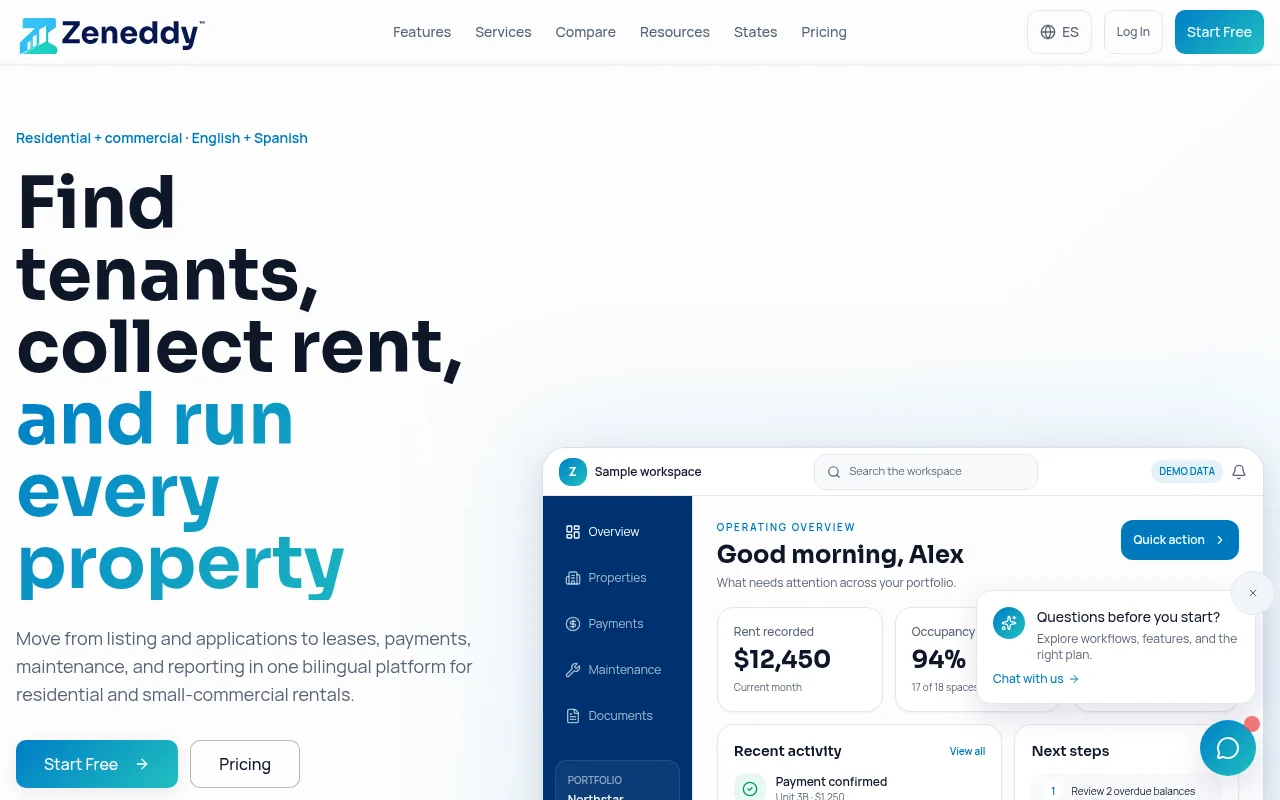
We build the connective layer: a tenant portal that replaces the group text, a maintenance workflow that assigns and closes tickets instead of losing them, owner reporting generated from real transactions instead of retyped from bank statements, and online payments that reconcile themselves against a lease. It's built on the same platform architecture behind Zeneddy, our own property management SaaS product, and it integrates with the accounting or screening tools you already keep — it does not demand you rebuild your business around it.
Tenant and financial data is a real liability if it's handled loosely, so access is scoped by role and by property, payment data never touches our servers unencrypted, and we tell owners plainly what a system can and cannot guarantee — no software vendor should promise you fair-housing or landlord-tenant compliance.
Everything on this page is the same engineering practice described in Custom Business Software.